

Chemotherapy is a cancer treatment that uses powerful drugs to destroy cancer cells or prevent their growth and spread. The medicines travel through the bloodstream, allowing them to target cancer cells throughout the body.
It may be used alone or alongside treatments such as surgery, radiation therapy, immunotherapy, or targeted therapy. Our experienced oncologists personalize chemotherapy plans to maximize treatment effectiveness while minimizing side effects and supporting quality of life.
If you're experiencing unusual symptoms, have concerns about a cancer diagnosis, or need a second opinion, don't wait. Dr. Rishi Kumar Gupta provides compassionate, evidence-based cancer care tailored to your individual needs.
Cancer cells grow and divide faster than normal cells. Chemotherapy drugs are designed to target and destroy these rapidly dividing cells.
Kill cancer cells in the body
Shrink tumors before surgery
Destroy remaining cancer cells after surgery
Stop or slow cancer growth
Prevent cancer from spreading
Relieve symptoms in advanced cancer cases
Each treatment plan is personalized based on the type of cancer, stage of disease, overall health, and treatment goals.
Chemotherapy is recommended based on the type of cancer, its stage, and the patient’s overall health. Oncologists may use chemotherapy alone or combine it with treatments such as surgery, radiation therapy, immunotherapy, or targeted therapy to improve outcomes. The goal is to destroy cancer cells, prevent the spread of disease, and reduce the chances of recurrence.
In some cancers, chemotherapy is used as the main treatment to destroy cancer cells throughout the body. This is common in certain blood cancers like leukemia and lymphoma, where chemotherapy can effectively control or eliminate the disease.
Chemotherapy may be given before surgery to shrink the tumor. Reducing the tumor size can make it easier for surgeons to remove it and may allow for a less extensive surgical procedure.
After a tumor is removed, chemotherapy may be used to destroy any remaining microscopic cancer cells that cannot be detected through tests. This helps reduce the risk of cancer returning in the future.
When cancer has spread to other parts of the body, chemotherapy can help slow tumor growth, control symptoms, and improve quality of life. In such cases, it plays an important role in managing the disease and extending survival.
Chemotherapy can be given in different ways depending on the type of cancer and treatment plan.
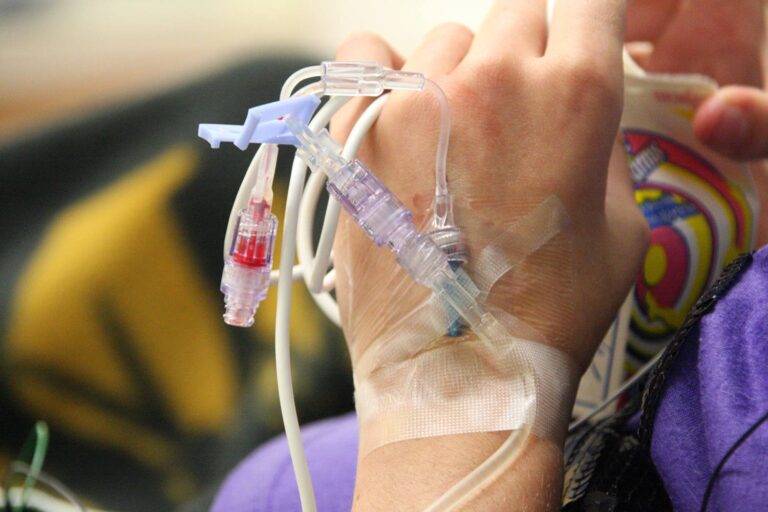
The most common method where chemotherapy drugs are administered through a vein.

Some chemotherapy medicines are available as tablets or capsules taken by mouth.
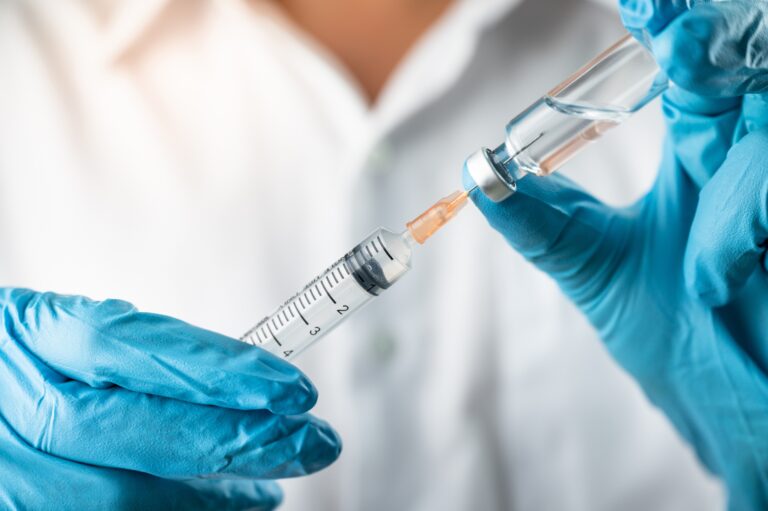
Certain chemotherapy drugs are administered as injections into muscles or just under the skin for effective treatment.
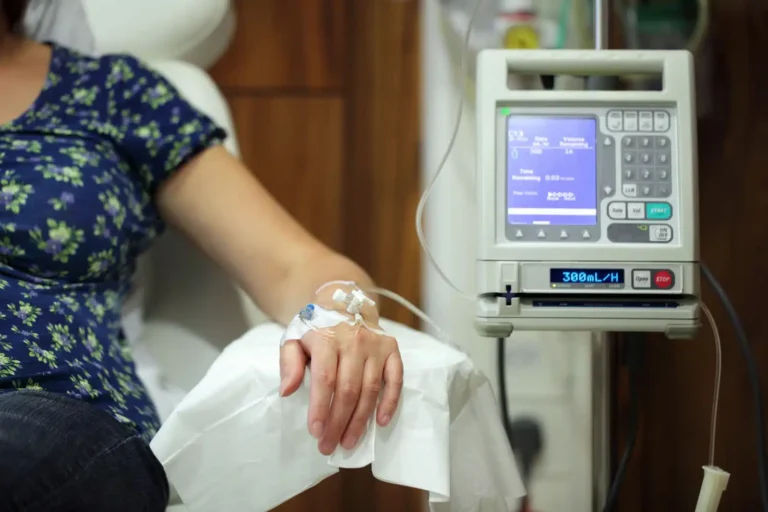
In some cases, chemotherapy may be delivered directly to a specific part of the body, such as the abdomen or spinal fluid.
Chemotherapy is usually given in cycles. A cycle includes a treatment period followed by a rest period that allows the body to recover.
Medical evaluation and tests
Treatment planning by the oncologist
Administration of chemotherapy drugs
Monitoring for response and side effects
Follow-up and supportive care
Most chemotherapy treatments are provided in outpatient chemotherapy units, allowing patients to return home the same day.
Chemotherapy affects rapidly dividing cells, which means some normal cells may also be temporarily affected. This can lead to side effects such as:.
Fatigue
Nausea and vomiting
Hair loss
Loss of appetite
Increased risk of infections
Diarrhea
However, modern oncology care uses advanced supportive medications and personalized dosing to reduce and manage these side effects effectively.
Chemotherapy has helped millions of patients worldwide fight cancer, control disease progression, and improve survival rates. By using powerful anti-cancer drugs, chemotherapy works to destroy rapidly dividing cancer cells and prevent them from growing or spreading to other parts of the body. It is one of the most widely used and effective cancer treatments and can be tailored to meet the specific needs of each patient.
Chemotherapy drugs are designed to target and destroy rapidly dividing cancer cells. This helps shrink tumors, slow the growth of cancer, and in some cases completely eliminate cancer cells from the body.
Unlike treatments that focus on a single area, chemotherapy works as a systemic treatment, meaning it travels through the bloodstream to reach cancer cells wherever they may be in the body. This makes it particularly useful for cancers that have spread or have the potential to spread.
For many types of cancer, chemotherapy significantly improves survival rates. When used alone or in combination with other treatments, it can help patients live longer and increase the chances of successful recovery.
Chemotherapy is often combined with surgery, radiation therapy, immunotherapy, or targeted therapy to enhance treatment effectiveness. It may be used before surgery to shrink tumors or after surgery to eliminate remaining cancer cells.
In advanced or metastatic cancer, chemotherapy can help reduce tumor size, relieve symptoms such as pain or pressure, and improve overall comfort and quality of life.
If you're experiencing unusual symptoms, have concerns about a cancer diagnosis, or need a second opinion, don't wait. Dr. Rishi Kumar Gupta provides compassionate, evidence-based cancer care tailored to your individual needs.
© 2026 Dr. Rishi Kumar Gupta. All Rights Reserved.