
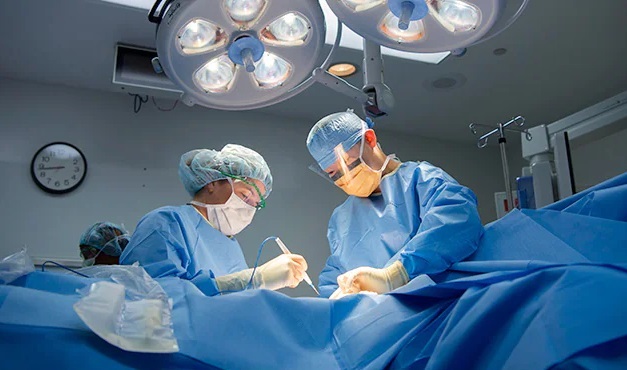
Cancer Surgery is a treatment used to remove tumors and affected tissue from the body. It is often one of the most effective options for treating cancer, especially when diagnosed early.
Surgery may be performed alone or combined with treatments such as chemotherapy or radiation therapy. Modern surgical techniques make cancer surgery safer, more precise, and highly effective in improving treatment outcomes.
If you're experiencing unusual symptoms, have concerns about a cancer diagnosis, or need a second opinion, don't wait. Dr. Rishi Kumar Gupta provides compassionate, evidence-based cancer care tailored to your individual needs.
During cancer surgery, a specialized surgeon removes the tumor along with a margin of healthy tissue to ensure that no cancer cells remain. In some cases, nearby lymph nodes may also be removed to check whether the cancer has spread.
Remove cancerous tumors from the body
Prevent the spread of cancer to other organs
Confirm a cancer diagnosis through biopsy
Reduce tumor size before other treatments
Improve symptoms and quality of life
The type of surgery recommended depends on the type, size, and location of the cancer.
Cancer surgery may be recommended at different stages of treatment depending on the type of cancer, its stage, and the patient’s overall health. Surgery is one of the most common and effective ways to remove cancerous tumors and is often combined with other treatments for better results.
When cancer is detected early and remains localized, surgery can be used to completely remove the tumor, offering a strong chance of cure and preventing the disease from spreading.
In some cases, surgery is performed to remove a small sample of tissue (biopsy). This sample is examined in a laboratory to confirm the presence and type of cancer, helping doctors plan the most appropriate treatment.
Cancer surgery is often combined with chemotherapy, radiation therapy, or immunotherapy. These treatments may be given before surgery to shrink the tumor or after surgery to destroy any remaining cancer cells.
In advanced stages, surgery may help reduce tumor size, relieve symptoms, and improve comfort and quality of life, even if complete removal of the cancer is not possible.
The decision to use immunotherapy is always based on a personalized treatment plan, ensuring that patients receive the most appropriate and effective care for their specific condition.
Several types of surgical procedures are used depending on the cancer type and stage.
This surgery aims to remove the entire tumor, offering the best chance of curing cancer when it has not spread.
Also called prophylactic surgery, this procedure removes tissues that may develop cancer in the future, especially in high-risk patients.
This surgery helps doctors confirm cancer through biopsy and determine the stage of the disease.
Palliative surgery is performed to relieve symptoms caused by tumors, such as pain, pressure, or blockage.
After tumor removal, reconstructive surgery helps restore the appearance and function of affected body parts.
Cancer surgery involves several important steps to ensure safe and effective treatment.
Detailed diagnosis and imaging tests
Surgical planning by experienced specialists
Tumor removal using advanced surgical techniques
Post-surgery monitoring and recovery care
Follow-up treatment if required
Depending on the type of surgery, patients may stay in the hospital for a few days to ensure proper recovery and monitoring.
Like any surgical procedure, cancer surgery may involve some temporary side effects.
Pain or discomfort around the surgical area
Swelling or bruising
Fatigue during recovery
Risk of infection
Temporary changes in body function depending on the surgery
However, modern oncology care uses advanced supportive medications and personalized dosing to reduce and manage these side effects effectively.
Cancer surgery plays a crucial role in cancer treatment and offers many important benefits for patients. It is often used to remove cancerous tumors, confirm diagnosis, and support other treatments such as chemotherapy or radiation therapy. In many cases, surgery can significantly improve the chances of successful cancer management.
Cancer surgery helps physically remove tumors from the body, reducing or eliminating cancer cells in the affected area.
When cancer is detected early and has not spread, surgery may completely remove the tumor, offering the possibility of a cure.
Surgical procedures can help doctors examine tissues and determine the exact stage of cancer, which is essential for planning the most effective treatment.
In some cases, surgery can help relieve symptoms such as pain, pressure, or blockage caused by tumors, improving patient comfort.
Surgery is often combined with chemotherapy, radiation therapy, or immunotherapy to increase treatment effectiveness and improve long-term outcomes.
If you're experiencing unusual symptoms, have concerns about a cancer diagnosis, or need a second opinion, don't wait. Dr. Rishi Kumar Gupta provides compassionate, evidence-based cancer care tailored to your individual needs.
© 2026 Dr. Rishi Kumar Gupta. All Rights Reserved.