
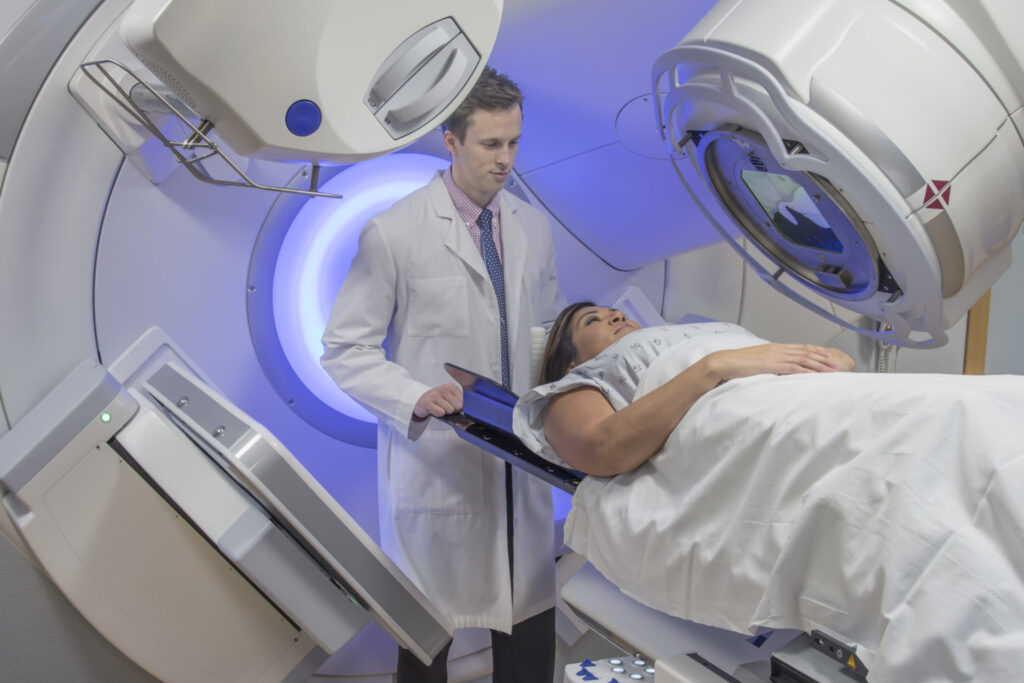
Radiation Therapy is a cancer treatment that uses high-energy radiation beams to destroy cancer cells and shrink tumors. It works by damaging the DNA of cancer cells, preventing them from growing and spreading.
Often used alone or with surgery, chemotherapy, or immunotherapy, modern radiation therapy delivers precise, effective treatment while minimizing damage to healthy tissues.
If you're experiencing unusual symptoms, have concerns about a cancer diagnosis, or need a second opinion, don't wait. Dr. Rishi Kumar Gupta provides compassionate, evidence-based cancer care tailored to your individual needs.
Radiation therapy works by using high-energy X-rays or other forms of radiation to damage the genetic material of cancer cells.
When the DNA of cancer cells is damaged, they lose the ability to grow and divide. Over time, these cells die and are naturally removed by the body.
Destroy cancer cells in a specific area
Shrink tumors before surgery
Eliminate remaining cancer cells after surgery
Prevent cancer from recurring
Relieve symptoms caused by tumors
Treatment is carefully planned to ensure maximum effect on cancer cells while protecting healthy tissues.
Radiation therapy may be recommended at different stages of cancer treatment depending on the type of cancer, its location, and the patient’s overall health. It uses high-energy radiation to destroy cancer cells, shrink tumors, and prevent the cancer from growing or spreading. Doctors may use radiation therapy alone or combine it with other treatments such as surgery or chemotherapy.
For some cancers, radiation therapy is used as the main treatment to destroy tumors and control the disease, especially when surgery is not required or not possible.
Radiation therapy may be given before surgery to shrink the tumor, making it easier for surgeons to remove it and improving surgical outcomes.
After tumor removal, radiation therapy helps destroy any remaining cancer cells that may not be visible, reducing the risk of cancer recurrence.
In advanced stages, radiation therapy can help slow cancer growth and relieve symptoms such as pain, bleeding, or pressure caused by tumors, improving the patient’s comfort and quality of life.
Radiation therapy can be delivered in different ways depending on the type and location of the cancer.
This is the most common type where radiation is delivered from a machine outside the body, precisely targeting the tumor.
In this method, radioactive material is placed inside or near the tumor to deliver radiation directly to the cancer cells.
Some treatments use radioactive substances that travel through the bloodstream to target cancer cells in specific parts of the body.
Radiation therapy is usually given over multiple sessions spread across several weeks to allow healthy tissues time to recover.
Detailed diagnosis and imaging tests
Radiation planning and treatment mapping
Delivery of radiation therapy sessions
Monitoring treatment response
Follow-up care and recovery support
Each session typically lasts only a few minutes, and most patients can return home the same day.
Side effects vary depending on the area being treated and the radiation dose.
Fatigue
Skin irritation in the treated area
Hair loss in the treatment area
Difficulty swallowing
Nausea or digestive issues
However, modern oncology care uses advanced supportive medications and personalized dosing to reduce and manage these side effects effectively.
Radiation therapy is a key component of modern cancer treatment and plays an important role in managing many types of cancer. By using high-energy radiation beams, it targets and destroys cancer cells while aiming to protect the surrounding healthy tissue. With advancements in medical technology, radiation therapy has become more precise, effective, and safer for patients.
Modern radiation techniques allow doctors to target cancer cells with high accuracy, minimizing damage to nearby healthy tissues.
Radiation therapy can shrink tumors or completely destroy cancer cells, helping control the disease and improve treatment outcomes.
It is often used alongside surgery, chemotherapy, immunotherapy, or targeted therapy to enhance the overall effectiveness of cancer treatment.
In advanced cases, radiation therapy can help reduce pain, bleeding, and pressure caused by tumors, improving patient comfort and quality of life.
For many cancers, radiation therapy significantly increases the chances of successful treatment and long-term survival.
If you're experiencing unusual symptoms, have concerns about a cancer diagnosis, or need a second opinion, don't wait. Dr. Rishi Kumar Gupta provides compassionate, evidence-based cancer care tailored to your individual needs.
© 2026 Dr. Rishi Kumar Gupta. All Rights Reserved.