
Breast Cancer Specialist in Ghaziabad: Symptoms, Diagnosis and Treatment
Breast cancer is one of the most common cancers affecting women. Early evaluation, accurate diagnosis and an appropriate treatment plan are important steps in breast cancer care. Understanding the warning signs and knowing when to consult a qualified cancer specialist can help patients make informed decisions about their health.
If you are searching for a breast cancer specialist in Ghaziabad, it is important to choose an oncology specialist who can explain your diagnosis, review medical reports and guide you regarding appropriate treatment options.
Dr. Rishi Kumar Gupta provides oncology consultation in Ghaziabad. Patients can discuss their cancer diagnosis, investigation reports and treatment-related concerns to understand the next steps in their care.
What Is Breast Cancer?
Breast cancer develops when abnormal cells in the breast grow uncontrollably. It can affect different parts of the breast and may sometimes spread to nearby lymph nodes or other organs.
Breast cancer is not a single disease. Different types have different characteristics, and treatment depends on the specific diagnosis, stage and biological features of the tumour.
Early medical evaluation is important whenever a new breast lump or other unusual breast change is noticed.
What Are the Common Symptoms of Breast Cancer?
Breast cancer can cause different symptoms, although some patients may not experience noticeable symptoms in the early stages.
Possible warning signs include:
- A new lump or thickening in the breast
- A change in the size or shape of the breast
- Changes in the appearance of the skin of the breast
- Nipple inversion or a change in nipple appearance
- Unusual nipple discharge, particularly bloody discharge
- Persistent swelling or discomfort in the breast
- Swelling or a lump in the armpit
- Skin dimpling or an orange-peel-like appearance
These symptoms do not always indicate cancer. However, any new or persistent breast change should be evaluated by a qualified healthcare professional.
How Is Breast Cancer Diagnosed?
Breast cancer diagnosis usually involves a combination of clinical assessment and appropriate investigations. The tests recommended depend on the patient’s symptoms, age, examination findings and medical history.
1. Clinical Breast Examination
A healthcare professional examines the breast and surrounding areas, including the armpit, to assess any lump or unusual change.
2. Mammography
Mammography is an imaging test used to identify suspicious changes in breast tissue. It can be used for screening and diagnostic evaluation, depending on the clinical situation.
3. Breast Ultrasound
Ultrasound helps assess breast lumps and other abnormalities. It may be used alongside mammography or other investigations.
4. Breast Biopsy
A biopsy involves collecting a tissue sample for laboratory examination. It is commonly required to confirm whether a suspicious breast lesion is cancerous.
5. Pathology and Additional Testing
If cancer is confirmed, pathology testing may identify the cancer type and relevant tumour characteristics. Tests for hormone receptors and HER2 status may help guide treatment decisions.
Additional imaging or investigations may be recommended when clinically necessary.
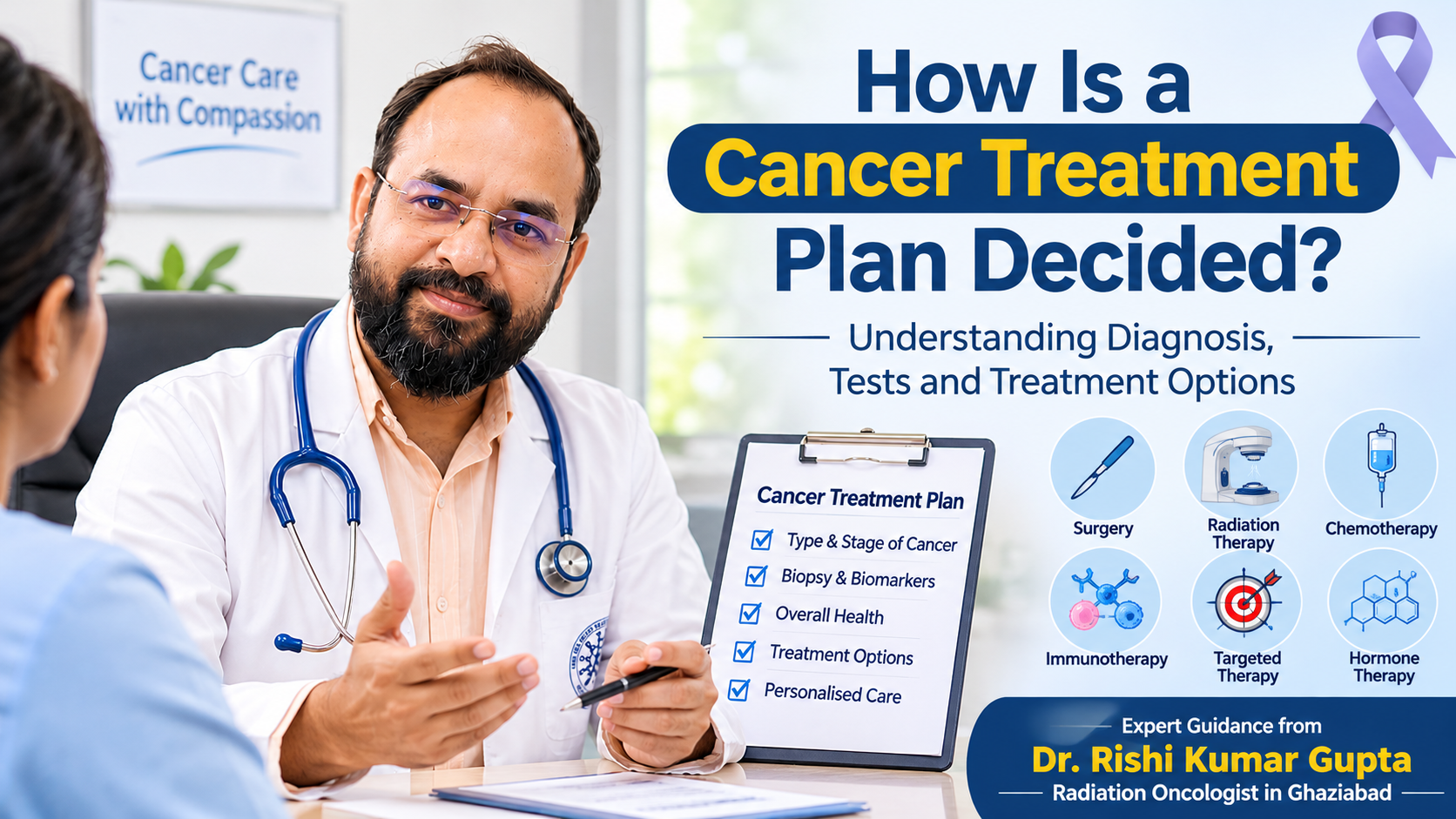
What Are the Treatment Options for Breast Cancer?
Breast cancer treatment is individualized. The treatment plan depends on the cancer stage, tumour characteristics, receptor status, overall health and patient preferences.
Depending on the diagnosis, treatment may include one or more of the following approaches.
Breast Cancer Surgery
Surgery may involve removing the tumour while preserving as much breast tissue as possible, when appropriate, or removing the breast in selected cases. The recommended procedure depends on the tumour and individual clinical circumstances.
Chemotherapy
Chemotherapy uses anti-cancer medicines to destroy cancer cells or control their growth. It may be recommended before surgery, after surgery or for advanced disease, depending on the diagnosis.
Radiation Therapy
Radiation therapy uses high-energy radiation to target cancer cells. It is frequently used after breast-conserving surgery and may be recommended in other situations depending on the stage and treatment plan.
A radiation oncologist evaluates whether radiation therapy is appropriate and determines the treatment approach.
Hormone Therapy
Some breast cancers depend on hormones such as estrogen or progesterone for growth. Hormone therapy may be recommended for hormone receptor-positive breast cancer.
Targeted Therapy
Targeted medicines act on specific features of cancer cells. For example, certain treatments may be suitable for HER2-positive breast cancer or other cancers with particular molecular characteristics.
Immunotherapy
Immunotherapy may be appropriate for selected breast cancer cases, depending on the cancer subtype and other clinical factors. It is not suitable for every patient.
Why Is Breast Cancer Staging Important?
Cancer staging helps doctors understand the extent of the disease and plan appropriate treatment.
The assessment may consider:
- The size and location of the tumour
- Whether nearby lymph nodes are involved
- Whether the cancer has spread to other parts of the body
- Pathology findings
- Relevant imaging results
- Other clinical factors
Breast cancer stages range from stage 0 to stage IV. The treatment approach varies according to the stage and biological characteristics of the cancer.
A stage alone does not determine the entire treatment plan; other tumour and patient factors also matter.
How to Choose a Breast Cancer Specialist in Ghaziabad
Choosing the right specialist is an important step in understanding a breast cancer diagnosis and treatment plan.
Consider the following factors when evaluating an oncologist:
Qualifications and oncology experience: Review the doctor’s medical qualifications, experience and area of specialization.
Understanding of treatment options: The specialist should explain relevant treatment approaches and why they may be suitable for your diagnosis.
Review of medical reports: Your biopsy, pathology, imaging and previous treatment records should be considered when planning care.
Coordination between specialists: Breast cancer care may involve a surgical oncologist, medical oncologist, radiation oncologist, radiologist and pathologist.
Clear communication: Choose a doctor who answers your questions and explains the potential benefits, risks and limitations of the available options.
Patients should also confirm that the specialist’s clinical expertise matches their particular treatment needs.
Breast Cancer Consultation in Ghaziabad
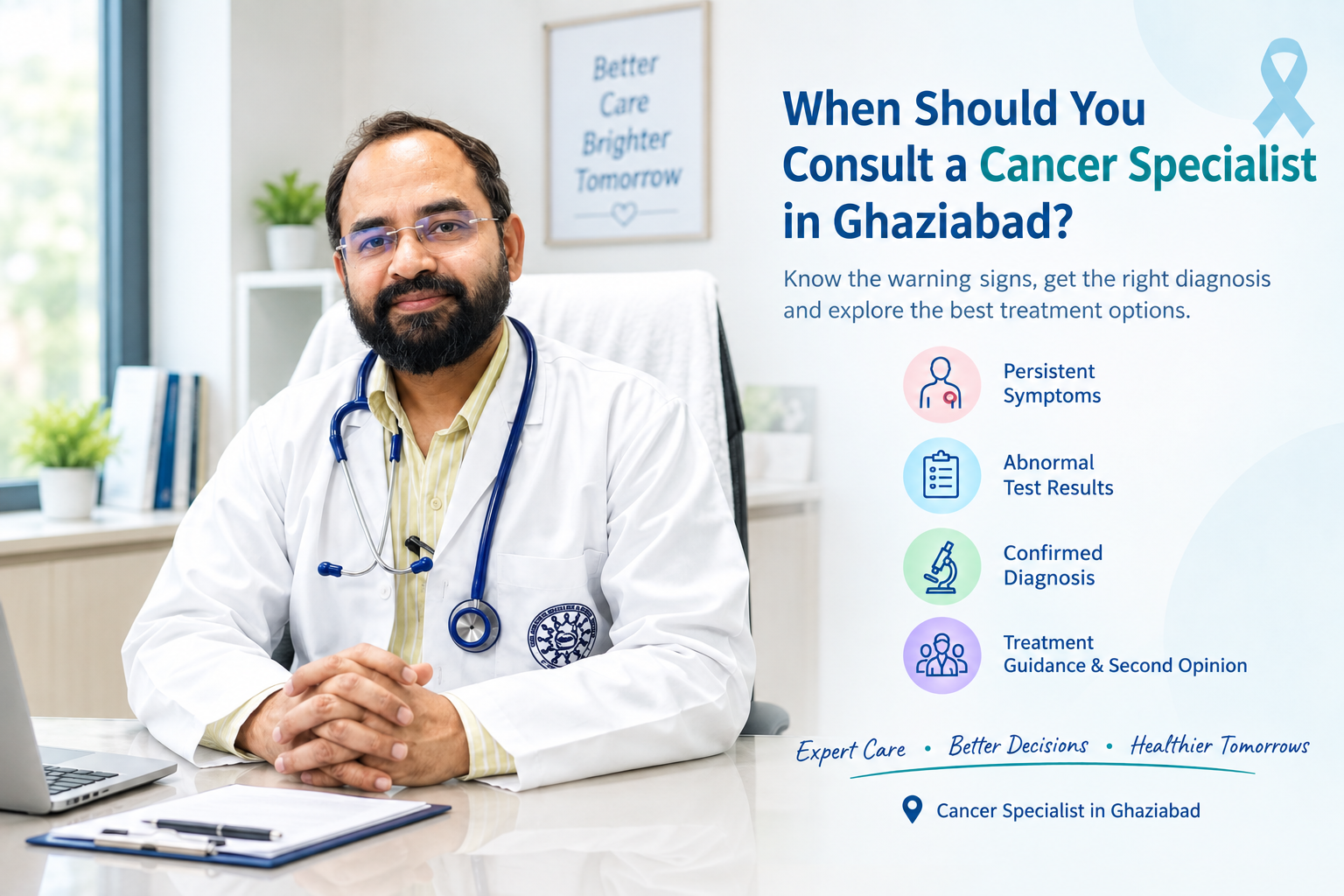
If you or a family member has been diagnosed with breast cancer, an oncology consultation can help you understand the diagnosis, review the proposed treatment plan and discuss appropriate next steps.
Dr. Rishi Kumar Gupta provides oncology consultation in Ghaziabad for patients seeking guidance regarding cancer diagnosis and treatment.
Patients can bring their available biopsy reports, mammography or ultrasound findings, pathology results, imaging reports and previous prescriptions for review.
The appropriate treatment plan should be determined after evaluating the patient’s complete medical information. Depending on the case, coordination with other cancer specialists may be necessary.
Frequently Asked Questions
Who should I consult for breast cancer in Ghaziabad?
Patients should seek evaluation from a qualified cancer specialist whose expertise matches their diagnosis and treatment requirements. Breast cancer care may involve medical oncology, radiation oncology and surgical oncology.
What is the first sign of breast cancer?
A new lump or thickening in the breast is a common warning sign, although breast cancer can also cause skin changes, nipple changes or other symptoms. Some cases are detected through screening before symptoms appear.
Is breast cancer treatable?
Many breast cancers can be treated, and outcomes depend on the cancer type, stage, biological characteristics and response to treatment. An oncologist can explain the treatment options and expected outlook for an individual patient.
What reports should I carry to a breast cancer consultation?
Bring available mammography and ultrasound reports, biopsy and pathology reports, relevant imaging, blood tests, previous prescriptions and treatment records.
Does every breast cancer patient need chemotherapy?
No. Chemotherapy is not necessary for every breast cancer patient. Treatment depends on the cancer stage, tumour characteristics, receptor status and other clinical factors.
Is radiation therapy necessary after breast cancer surgery?
Radiation therapy is commonly recommended after breast-conserving surgery and may be advised in other circumstances. The decision depends on the individual diagnosis, surgery findings and overall treatment plan.
Can I seek a second opinion for breast cancer?
Yes. A second opinion can help you understand your diagnosis and proposed treatment options. Carrying complete medical records can make the review more informative.
Consult an Oncology Specialist in Ghaziabad
Understanding a breast cancer diagnosis can help patients and families participate more confidently in treatment decisions. Timely medical evaluation, appropriate investigations and an individualized treatment plan are important parts of cancer care.
If you are looking for a breast cancer specialist in Ghaziabad, contact Dr. Rishi Kumar Gupta to discuss your diagnosis, medical reports and available oncology care options.